
Road Trip from Phoenix to Joshua Tree National Park

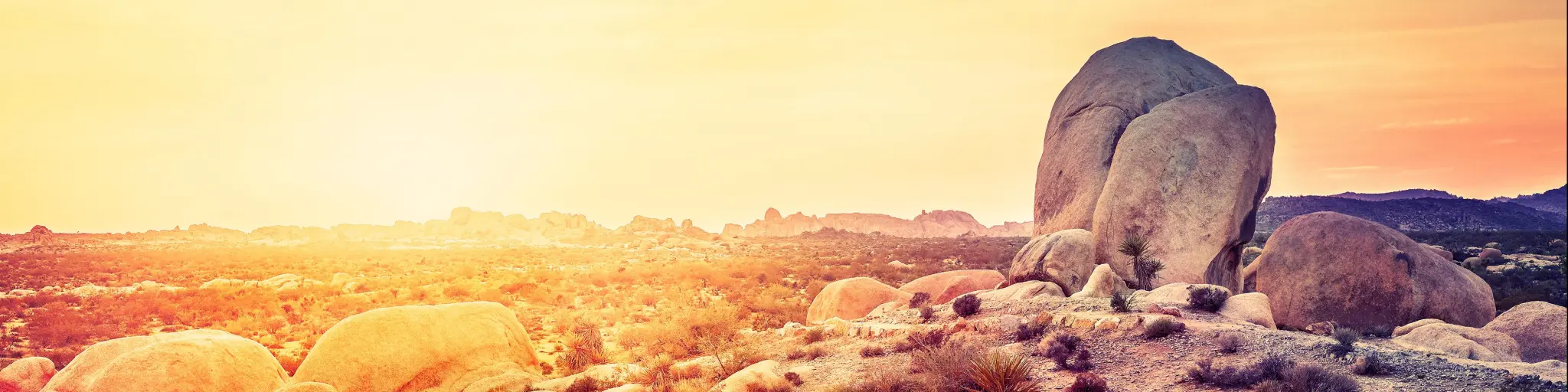
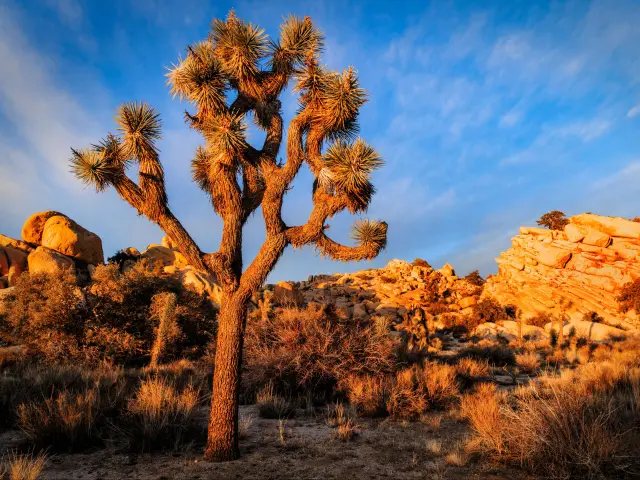
Driving from one desert to another might not sound like much of a trip - but Joshua Tree is nothing like the desert around Phoenix. Instead of saguaros, you get the twisted, Dr. Seuss-looking trees the park is named after, and giant piles of rounded boulders that look like they were stacked there by ancient giants.
Joshua Tree is about 3 hours from Phoenix along I-10, which makes it one of the easiest big-name national parks you can reach in a weekend. And what makes it even better is that a weekend is the perfect amount of time to spend in Joshua Tree.
The main season in Joshua Tree is October to April. In summer the park regularly passes 100°F, and the midday heat means you want to be hiking very early or bake in the sun.
🚙 EXPLORE MORE: The Best Road Trips From Phoenix
Read this before you leave Phoenix
💧 There's no water in the park
Joshua Tree has no water, food, or gas inside it - not at the sights or at the trailheads. Fill the tank and load more water than you think you need before you go in - aim for a gallon per person per day. You can get a big water carrier to stick in the trunk of your car.
📵 Your phone won't work in the park
There's almost no cell signal anywhere in the park. Download offline maps of the area and your route before you leave Phoenix, and don't expect to be able to look up information about a trail once you're there.
📅 Watch out for festival weekends
Spring gets busy in Joshua Tree and Palm Springs - Coachella and Stagecoach happen in April and crowds spill across, so hotel prices double and the good places sell out months ahead. If your dates are flexible, avoid the festival weekends.
How many days do you need?
3 days is perfect for the Phoenix to Joshua Tree road trip.
The drive is only about 3 hours each way, so you're not spending whole days on the road - you'll be in the park by lunchtime on day 1, get one full day of exploring, and still have time for a final morning before heading home.
You could squeeze it into 2 days, but you'd get one rushed day in the park and no time for the hikes - you can always drive on Friday after work as a compromise to get 2 full days there before driving back on Sunday evening.
Day 1: Drive to Joshua Tree
🚗 270 miles ⏱️ 5 hours
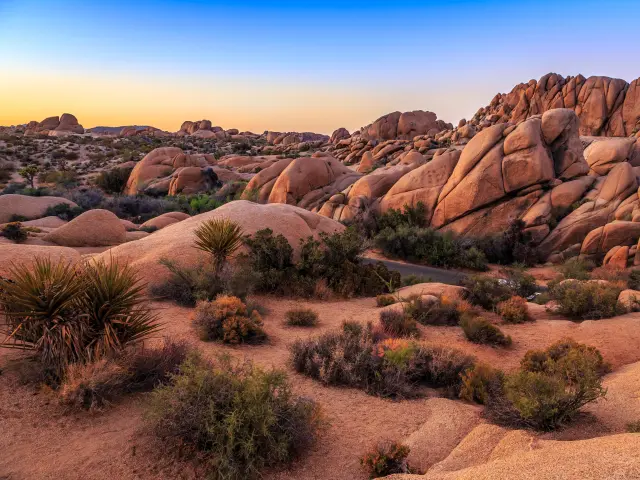
Leave Phoenix in the morning and take I-10 west to the south entrance. Drive up through the park - the road climbs from the low desert into the Joshua trees and boulder piles. It's 3 hours to the park entrance, but then you'll spend almost two hours driving up through the park and back out to a hotel.
Day 2: Joshua Tree
A full day in the park. Do a couple of the short hikes in the morning before it warms up - see Keys View and the big boulder stops. Then aim to be back at the pool by mid-afternoon when the heat peaks and head back in for the last hour of light - that's when the rocks turn orange and the park is at its best.
Day 3: Morning in the park & drive back
🚗 280 miles ⏱️ 4 hours, 30 minutes
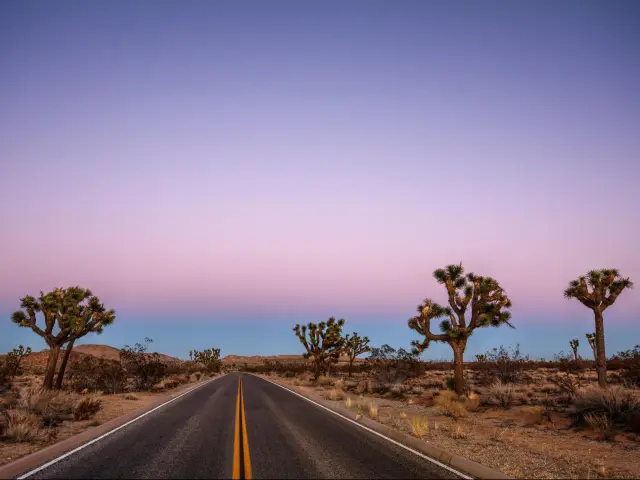
Spend one last morning in the park, grab lunch back in Twentynine Palms or on the way, and then it's an easy 4-hour run back to Phoenix.
Where to stay in Joshua Tree
RESET Hotel in Twentynine Palms opened in 2025. It's about 10 minutes from the park's north entrance, so it's quick and easy to come and go.
The saltwater pool is perfect after a day out hiking in Joshua Tree and there's a restaurant on site, so you don't need to get back in the car. Seating is outside, so it can feel hot in the summer despite the breeze.
The whole hotel is built from shipping containers surrounded by 180 acres of empty land - views from your room are nothing but desert and sky.
Each room comes with a patio and a fire pit outside, which is where you'll probably choose to spend the evening watching the Milky Way make its way through the sky.
The rooms are compact because they literally are made from containers, but it doesn't matter because you won't be spending time in your room anyway. You're either out in the park, by the pool or having a drink outside.
The route from Phoenix
If you want to customize the trip or add stops, you can make your own version in the Planner.
There's only one sensible way to drive from Phoenix to Joshua Tree - I-10 west, all the way to the park's south entrance. It's about 3 hours of easy interstate driving.
The drive itself is nothing special - flat desert most of the way with not much to see along the route.
Remember to fill the tank at Chiriaco Summit just before the park turnoff - there's no gas inside the park, and it's 50 miles to the next gas station in Twentynine Palms or around 70 miles if you come out at Joshua Tree.
With the aircon blaring and slow driving, you'll use gas a lot faster than on the highway.
From the south entrance, the road climbs for the next hour all the way to Cholla Cactus Garden, and you'll see the first Joshua trees appear after you drive through the hills immediately after that.
There are two ways out of the park at the end of the afternoon, and both get you to the hotel.
If you finish up around Jumbo Rocks and Skull Rock, the north entrance drops you straight into Twentynine Palms.
If you've pushed further west toward Hidden Valley, exit at Joshua Tree town instead - it's 20 minutes back along the highway.
Joshua Tree National Park
The park is big, but it's essentially two roads running through the desert in the shape of the letter Y.
Park Boulevard runs along the top between the west entrance at Joshua Tree town and the north entrance at Twentynine Palms, and that's where almost all of the sights are.
Pinto Basin Road runs south from it down to the south entrance on I-10 - the way you would be driving in.
Every stop worth making is along one of those two roads, and the hikes are not too long, so it's easy to see everything without needing too much planning.
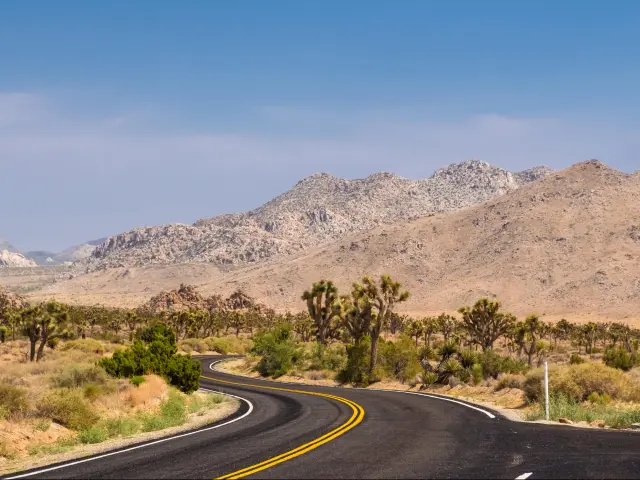
Entry to Joshua Tree National Park is $30 per vehicle and all of its passengers - the pass covers you for 7 days. America the Beautiful Pass covers Joshua Tree like every other National Park.
You can buy the passes at the Cottonwood Visitor Center by the South Entrance during opening hours (closes at 4pm). If you're driving late, you can still drive through the park and buy your pass the next morning at the North Entrance when you go back into the park.
Driving up from the south entrance
The south end of the park is low Colorado desert - creosote bushes, flat gravel, and no Joshua trees anywhere. The entrance and the Visitor Center are 10 minutes from the I-10 and it's another 30 minutes before you get to places worth stopping at.
Ocotillo Patch is the first sight a few minutes before you reach Cholla Cactus Garden and it's worth a quick stop in spring, when the tips turn red. The rest of the year it's a field of dead-looking bunches of sticks.
Cholla Cactus Garden is the first big stop before you cross through to the northern half of the park.
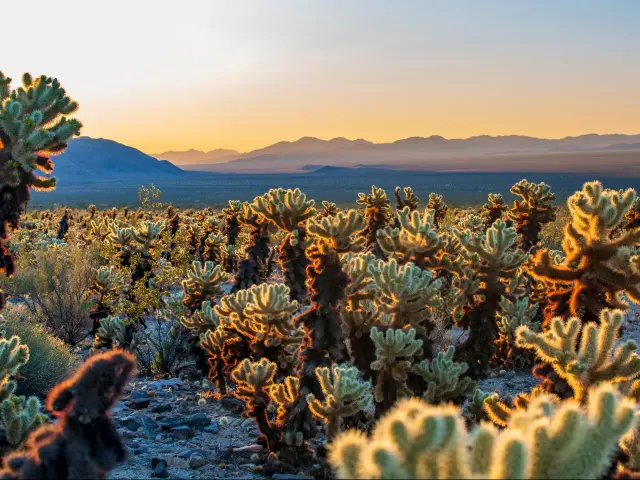
It's a quarter-mile boardwalk loop through thousands of teddybear cholla, which look soft and golden, but looks in this instance are very much deceiving.
The spines of the cactus come away even if you touch them lightly and getting them out of skin is genuinely unpleasant, so be careful with your photos and don't test how prickly the spikes are.
After that the road climbs through the hills and the first Joshua trees appear on the other side.
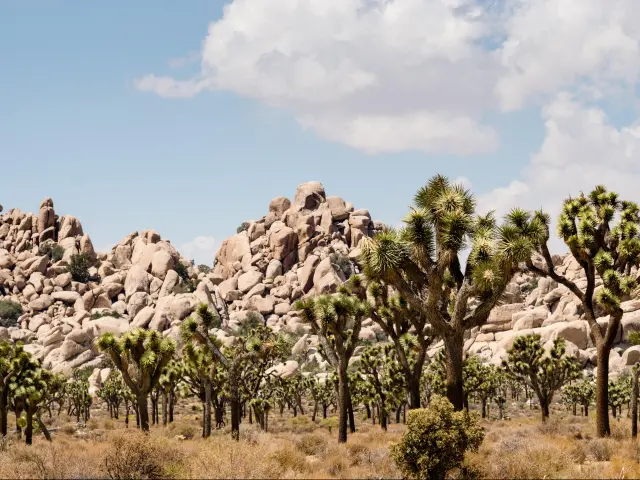
Arch Rock near White Tank campground is a short flat walk to a small granite arch - it's an easy stroll and a good photo spot when the rock turns orange at sunset.
Park Boulevard
Driving in from Twentynine Palms you'll drive it from east to west and you can genuinely take in most of the sights in a day without rushing.
Jumbo Rocks is the best of the boulder piles and the place that explains what the park actually is. Park up and scramble - there's no route and no trail, you just climb around until you've had enough. If you have kids, this is a winning stop.
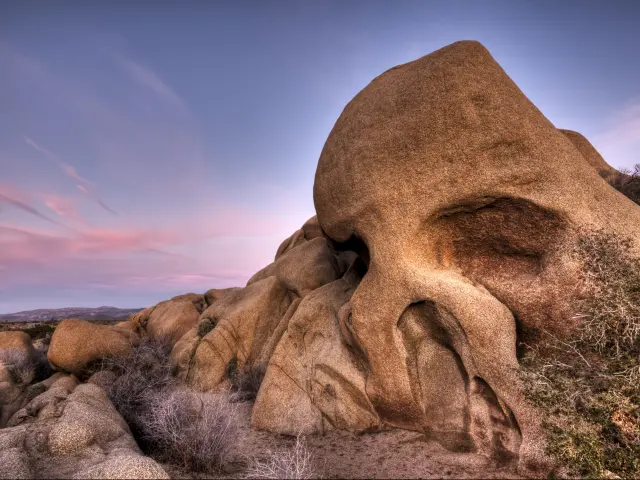
Skull Rock sits directly on the roadside with a tiny pull-out that gets busy quickly on weekends. If there's a lot of cars, you can just walk the 1.7-mile loop trail that starts at Jumbo Rocks campground and passes it - it's a rock that looks like a skull with two eye holes and a big nose.
Ryan Mountain is the one real hike in the park. It's a 3-mile round trip and about 1,000 feet of climbing on a stepped path which should take you an hour and a half at normal pace.
From the top you can see the entire park in every direction - the boulder fields, the Joshua tree flats, and the mountains on both sides. Do this one first thing, because there is no shade on it anywhere and it'll get sticky if you go later in the day.
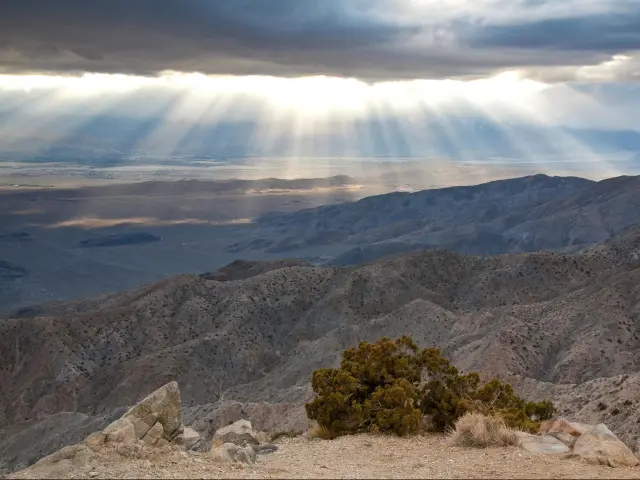
Keys View is a twenty-minute detour up a dead-end road to 5,000 feet, looking straight down over the Coachella Valley with the San Andreas Fault running across the floor as a visible line and the Salton Sea glinting in the distance.
Visibility can be mixed as the view becomes hazy when the smog blows across from Los Angeles, but it's a great place to end the day as the sun sets straight ahead.
Barker Dam is a 1.3-mile loop out to a small dam built by ranchers over a century ago, with a spur to a petroglyph panel. The reservoir is dry most of the year, so don't expect to see a giant lake in the middle of the desert.
Hidden Valley is the best short walk in the park - it's just a one-mile loop into a bowl completely enclosed by rock walls, with a legend about cattle rustlers using it as a natural corral.
This is also where you'll see a lot of climbers, because Joshua Tree is one of the most famous places in the world to climb and Hidden Valley is the place to do it.
Stargazing in Joshua Tree
Joshua Tree became an International Dark Sky Park in 2017 and it's one of the darkest places you can reach in a couple of hours from a major city. The park is open 24 hours and you don't need a permit to be in it at night.
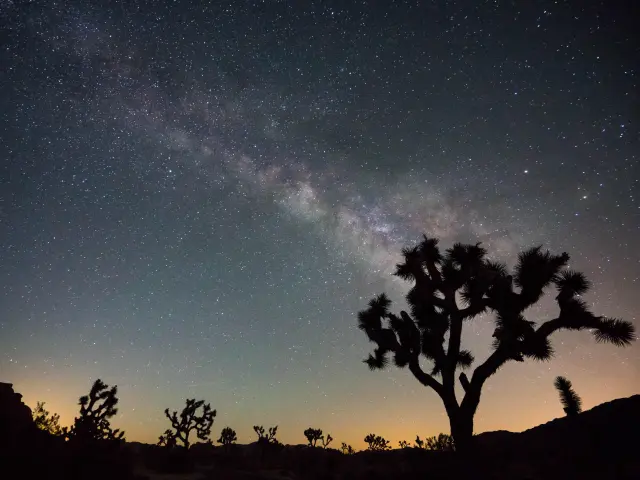
The dark isn't the same everywhere, though. Palm Springs and the Coachella Valley sit right behind the mountains to the southwest and throw a permanent glow across that part of the sky. The further east and south you go, the darker it gets - Pinto Basin Road and the Cottonwood end are properly dark.
The moon matters more than anything else. A full moon will wash out the sky completely, so check the phase before you lock in your dates.
One thing to note is that for a lot of the main season in the winter, you won't see the Milky Way core like you might have seen on photos.
The bright part of the galaxy doesn't show up above the horizon in the evening from November to February. Don't get me wrong - the night sky is still amazing, but not quite as busy.
In the summer months, the whole of the Milky Way travels through the Southwestern part of the sky.
You don't have to drive back into the park for it, either. Sure there's a bit more light pollution at the hotel, but you'll still get a great view from your patio sitting by the fire pit sipping a drink in the evening.
If you're going out at night to look at the stars, remember to wear something warm. Joshua Tree can be scorching during the day but then get quite cool after the sun sets.
There's a lot more to see driving west from Phoenix - here are some other road trips that you can look at for more inspiration.
If you want more road trip ideas, my Phoenix road trip guide has plenty, including big trips like the Grand Canyon, Zion National Park, and Las Vegas.
Sasha Yanshin – Founder & Lead Driver
Sasha Yanshin has spent the last 15+ years mapping and driving thousands of miles across Europe and the US. As the Founder and Lead Driver of Lazytrips, he brings an analytical approach to road-tripping, sharing meticulously tested routes, realistic drive times, and the hard-earned logistical reality of the open road.
Read full bio