
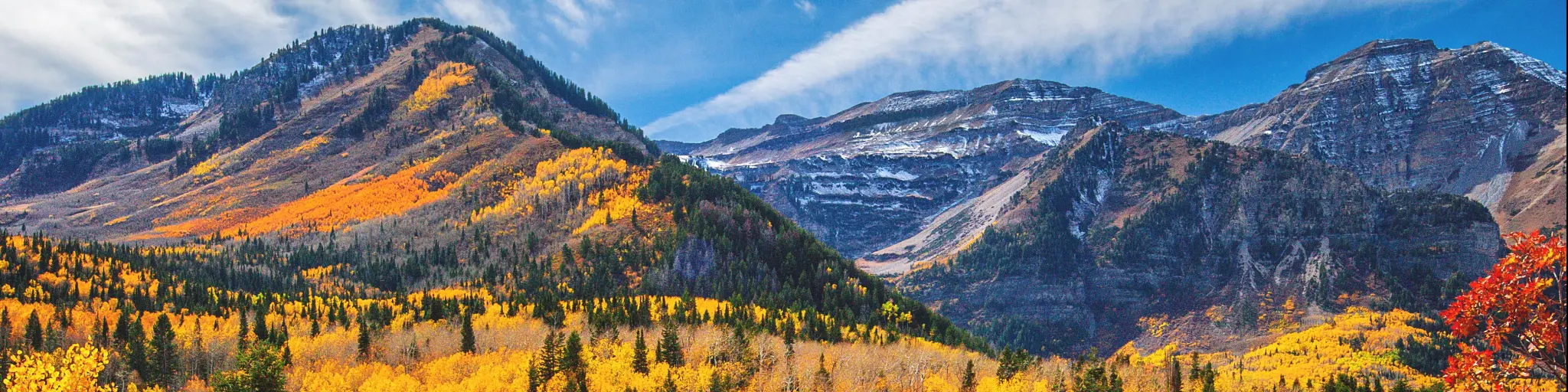
Road Trip From Denver To Salt Lake City

Salt Lake City is one of the more underrated road trip destinations from Denver. The 525-mile drive west takes you through the Rockies, across the Utah desert, and into the Salt Lake Valley. The route itself is worth driving even if you weren't going anywhere specific at the end of it.
The fastest option via I-80 through Wyoming is roughly the same distance and saves about 15 minutes, but skips everything that makes this drive worth doing. The route I'd recommend - over the Rockies via I-70 - passes Vail, Glenwood Springs, the Palisade vineyards, and runs 30 miles north of Moab (the gateway to Arches and Canyonlands National Parks).
Salt Lake City sits at the foot of the Wasatch Range, with peaks rising 7,000 feet above the valley floor. It's the cultural heart of Mormon America - Temple Square, the Tabernacle, and the world's largest genealogical library all sit downtown, but access is limited for those outside the church.
What isn't limited is the snow - there are seven world-class resorts within an hour's drive.
🚙 EXPLORE MORE: The Best Road Trips From Denver
Read this before you leave Denver
⛰️ Altitude Hits Hard
The Eisenhower Tunnel sits at 11,158 feet - higher than many people have ever been. If you're flying into Denver and immediately driving west, Denver is already at 5,300 feet and the road will go to over 11,000 feet within a few hours.
Don't be surprised if you feel sick and more tired earlier than usual and need a stop to adjust. We stopped for 30 minutes in Georgetown, just before the tunnel, to take a tour at the Capital Prize Gold Mine and stretch our legs.
⛽ Don't Run Dry in Utah
The Colorado section has good services along the I-70 until the Utah border. There are two 60-mile stretches with no gas stations - from Fruita to Crescent Junction, and then again once you turn north onto US-191. You won't have cell signal either so make sure your tank is full.
Choosing your route
There are two main routes from Denver to Salt Lake City, and the choice shapes the whole trip.
The I-70 scenic route runs west through the Colorado Rockies via Vail, Glenwood Springs, and Grand Junction, then crosses into Utah. From there, you continue north on US-191 → US-6 to SLC. This is the route I'd strongly recommend - it's 525 miles which takes around 8 hours to drive, and the scenery along the route is stunning. You have the option to detour south to Moab to add Arches and Canyonlands National Parks, which adds 1-2 days but gives you two iconic parks alongside the trip.
The I-80 route through Wyoming heads north from Denver, then west through Cheyenne, Laramie, and Rock Springs on the way to SLC. It's roughly the same distance - just 5 miles shorter and saves about 15 minutes, but goes through largely empty plains with nothing to see.
For most travelers, the I-70 route is the obvious pick - better drive, better stops, only marginally slower. The I-80 route makes sense if you've already done the Rockies, want to see Wyoming's plains country, or are pressed for time.
I'll assume you're interested in the I-70 route over the Rockies and through Utah's desert below.
If you want to customize your route to Salt Lake City, add the Moab detour, and plan each day in detail, you can build your own version of the trip in the Planner.
How Many Days Do You Need?
The math here is pretty simple. The drive is going to take you a day each way. It's 8 hours on the road, but add some rest and refuelling stops and an hour for lunch and you're only arriving in time for dinner even if you start early morning.
Presuming you actually want to do something in Salt Lake City, you'll need a minimum of 4 days total for the trip.
Most people will want at least one overnight stop on the way - Glenwood Springs is the natural pick, halfway along the drive after you've done most of the Rockies. The day-by-day below assumes you're stopping there.
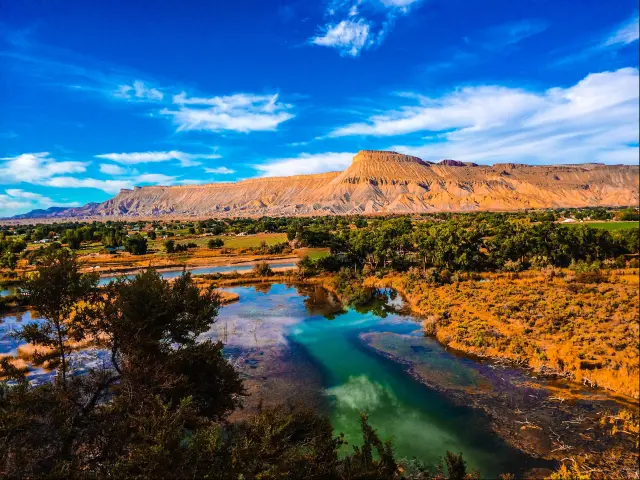
Day 1: Denver to Glenwood Springs
🚗 160 miles ⏱️ 2 hours, 40 minutes
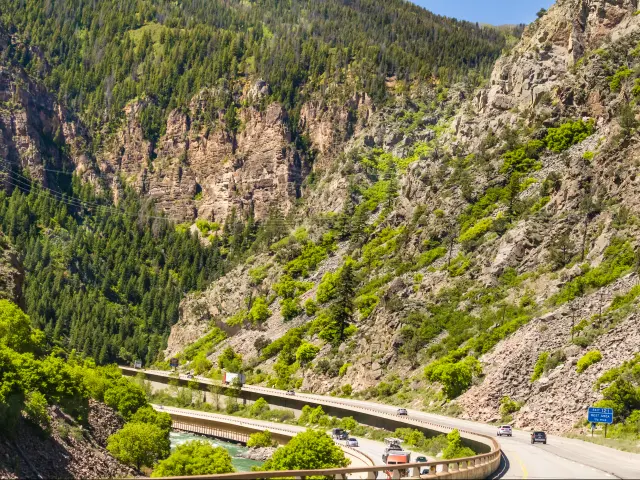
Leave Denver in the morning. The first 200 miles of this trip is the scenic bit through the Rockies - a shorter driving day gives you time to enjoy them. Stop at Vail for lunch (possibly do the gondola in summer), drive Glenwood Canyon slowly with stops at the river overlooks, then arrive in Glenwood Springs with time to soak in the hot springs before dinner.
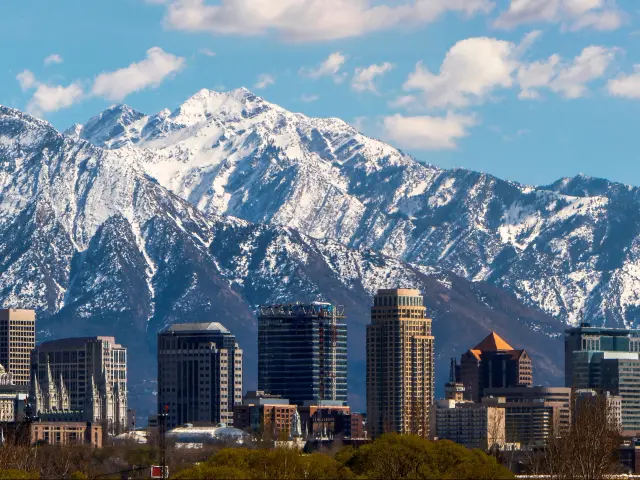
Day 2: Through Utah to Salt Lake City
🚗 370 miles ⏱️ 5 hours, 40 minutes
Day 2 is your transit day. Continue west on I-70 through Palisade and Grand Junction, then cross into Utah's empty desert country. Head north on US-191 and US-6 through Helper and Price, climbing through Soldier Summit before dropping into the Salt Lake Valley.
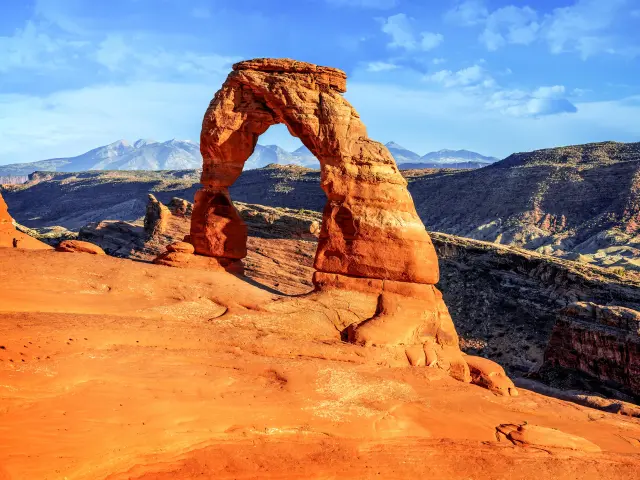
Optional Detour
Moab and the Utah Parks
🚗 Adds 60 miles ⏱️ Adds 2-3 days
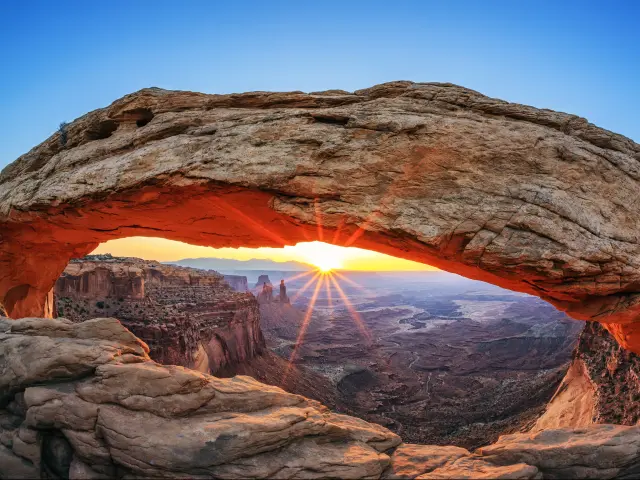
Instead of driving straight to Salt Lake City, take US-191 south to Moab - it's about 30 miles south off your route. Moab is the gateway to two of America's most iconic national parks - Arches and Canyonlands - and gives you an entirely different landscape from the rest of this trip.
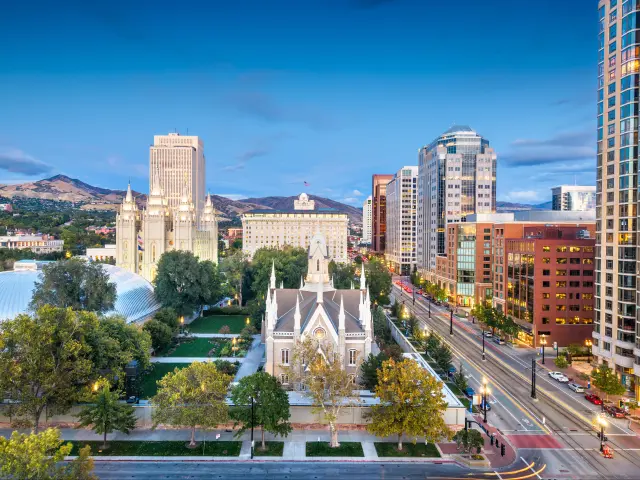
Day 3: Salt Lake City
A day exploring the city itself. Start at Temple Square downtown, then explore the Capitol Hill area, the Gateway/City Creek districts, or head out to the Great Salt Lake at Antelope Island.
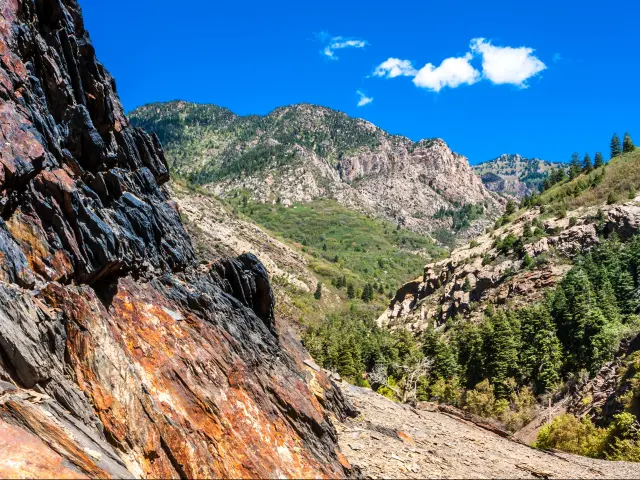
Day 4: The Wasatch Mountains
A day in the mountains - either the Cottonwood Canyons for serious peaks and skiing, or Park City for a more developed mountain-town experience. Choose based on whether you want wild nature or resort infrastructure.
Day 5: Drive back
🚗 525 miles ⏱️ 8 hours
Drive back the same way via I-70, or take I-80 through Wyoming for variety. Wyoming is faster but less scenic and can feel a bit repetitive.
Where to stay
Glenwood Springs
Hotel Maxwell Anderson is the standout option - a newer boutique hotel right by the river with strong reviews, modern rooms, and the Pullman restaurant on-site. It's a short walk to the hot springs across the bridge.
If you prefer the historic angle, Hotel Colorado is the 1893 landmark next to the hot springs pool - Theodore Roosevelt stayed here during his 1905 hunting trips. It's a beautiful building, but the rooms can feel a bit small and dated for the price.
Moab (if doing the detour)
If you're adding the Arches/Canyonlands detour, Red Cliffs Lodge is the place to stay - a working ranch on the Colorado River 15 miles outside Moab, with riverside cabins, on-site wine tastings, and views of the canyon walls from your room.
It's a 30-minute drive to Arches and a bit longer to Canyonlands, but the lodge itself is worth the slight inconvenience - staying in town gives you more restaurant options, but none of the views.
Downtown SLC
For the city portion of the trip, downtown is the right area. Hotel Monaco is the strongest pick - boutique, well-rated, and walking distance to Temple Square and the main downtown sights.
Worth knowing: If you're spending Day 4 in the Wasatch, staying downtown is fine - both Park City and the Cottonwood Canyons are 30 minutes away. No need to switch hotels for the mountain day.
Salt Lake City
The city itself rewards a full day of exploration. Here's how to spend it.
Temple Square and downtown
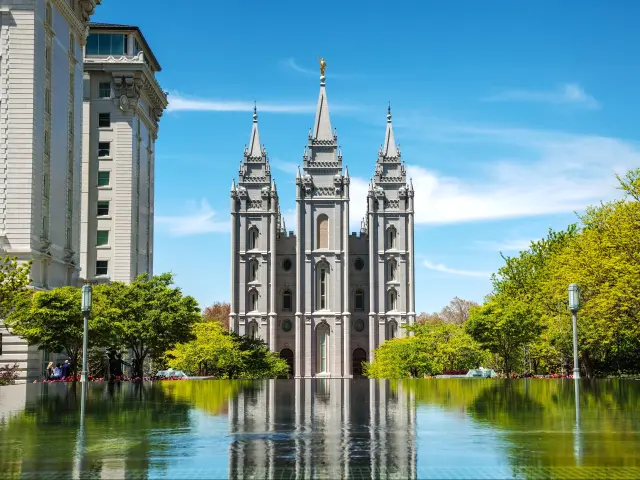
Temple Square is the obvious starting point - the 10-acre Mormon religious complex in the heart of downtown. The Tabernacle, the Visitors' Centers, and the Family History Library are all open to non-Mormons (the Temple itself is restricted).
The architecture and grounds are worth at least an hour even if you're not religious. Free guided tours run every 15 minutes.
Beyond Temple Square, the Gateway and City Creek Center districts have substantial shopping and dining within walking distance. The Capitol Hill area north of downtown has the Utah State Capitol building with grounds that look out over the entire valley - worth driving up to or walking if you have the energy.
Antelope Island and the Great Salt Lake
If you have a half-day for it, Antelope Island State Park is 30 minutes west of downtown and is the best access point to the Great Salt Lake. A causeway connects the mainland to the 28,000-acre island, which has bison and antelope herds, beaches you can walk on (the lake water is too salty for most people to actually swim in), and dramatic views back across the valley to the Wasatch.
The drive across the causeway alone is worth doing - it feels like driving across a sea.
The Wasatch Mountains
A full day in the mountains is the second key day in SLC. You have two main options - Cottonwood Canyons and Park City.
The Cottonwood Canyons
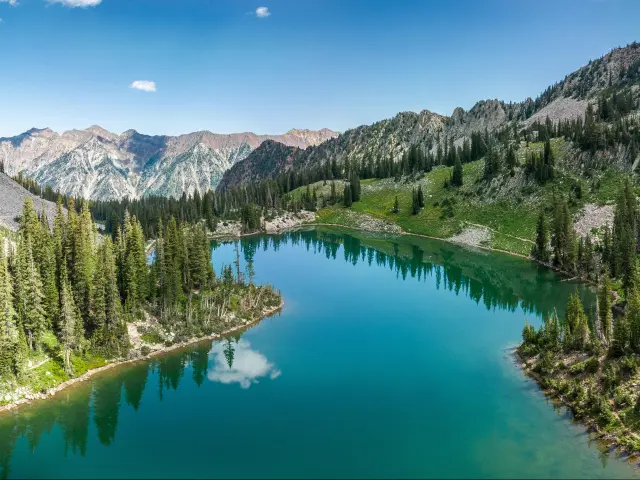
Big Cottonwood and Little Cottonwood Canyons are 30 minutes from downtown and contain four world-class ski resorts: Alta, Snowbird, Solitude, and Brighton. In winter, this is the famous "greatest snow on Earth" - over 500 inches of dry powder annually thanks to the lake-effect snow off the Great Salt Lake.
In summer, the canyons are full of hiking trails, alpine lakes, and scenic drives. The Albion Basin wildflowers above Alta are a July-August highlight. The Brighton Lakes hike is one of the most popular summer day hikes in the Wasatch.
This is the choice for serious mountain experience - wilder, less developed, more demanding terrain.
Park City
30 minutes east of downtown, Park City is a real ski town with year-round attractions. Park City Mountain Resort and Deer Valley are the two main resorts, both world-class but less serious than Alta/Snowbird.
Beyond skiing, Park City has Main Street's restaurants and galleries, the Sundance Film Festival (January), summer concert series at Deer Valley, mountain biking, hiking, and resort spa amenities. More accessible for non-skiers and travelers who want infrastructure with their mountains.
This is the choice for a developed mountain-town experience - easier, more comfortable, more variety beyond pure mountain activities.
Choosing between them:
If you only have one day and you're choosing based on what kind of experience you want: Cottonwood Canyons for the mountains themselves, Park City for the town experience around the mountains. Both are 30 minutes from downtown, so neither requires switching hotels.
Getting home
The simplest option is to retrace your route via I-70 - the drive is genuinely scenic enough that going back the same way isn't a chore, and you'll see things from a different angle. Plan a different overnight if you want to, but it's very doable in a day if you want to get back quicker.
For variety, you can take I-80 east through Wyoming via Cheyenne and Laramie. The route is faster and goes through landscape you haven't seen yet (Wyoming's empty plains country), but the "variety" here is not all that varied.
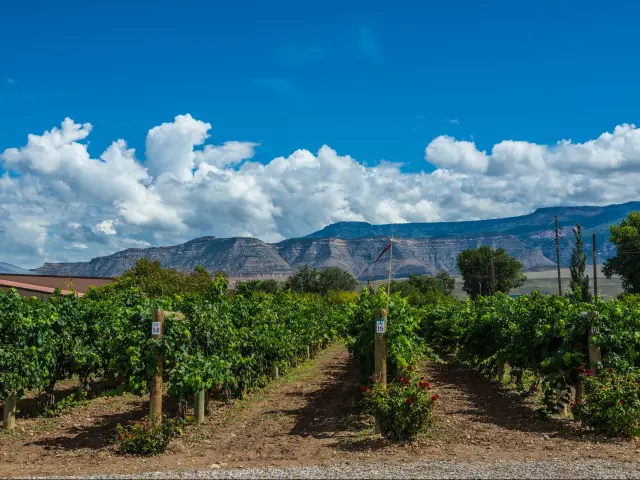
If you didn't stop in Palisade on the way out, the I-70 return is your second chance — the vineyards are an easy detour off the highway.
If you're still deciding where to go, I have a lot of alternative road trip ideas in my full Denver road trip guide — including shorter drives in the Rockies or a dedicated trip to Moab if you don't have 5 days to spare.
Sasha Yanshin – Founder & Lead Driver
Sasha Yanshin has spent the last 15+ years mapping and driving thousands of miles across Europe and the US. As the Founder and Lead Driver of Lazytrips, he brings an analytical approach to road-tripping, sharing meticulously tested routes, realistic drive times, and the hard-earned logistical reality of the open road.
Read full bio